
- Jul 1, 2025
What is the 'Circular Economy'?
- thisistrail
- Circular Economy - Knowledge
- 0 comments
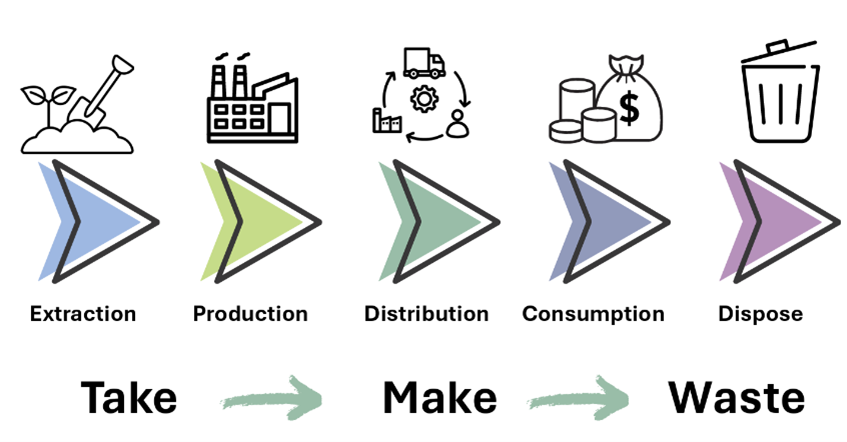
The world faces a dual crisis of economic stagnation and ecological breakdown. Our dominant system — the linear economy — follows a “take-make-waste” model that assumes indefinite growth and ignores planetary boundaries. Six of nine boundaries have already been transgressed, putting Earth’s systems at risk of irreversible change.
By contrast, the circular economy views the economy as a subsystem of the planet’s finite resources. It is an exciting “triple play” alternative: eliminating waste and pollution, regenerating natural systems, and fostering prosperity through job creation and resilience.
The Limits of the Linear Economy
The linear economy generates profits by extracting virgin materials, degrading natural capital, and discarding products as waste. By treating the environment as separate from the economy, it accelerates planetary overshoot while creating financial instability.
In the UK, 30% of businesses reported declining turnover in 2024 due to rising labour, energy, and material costs. Since 2022, GDP has stagnated around £2,717 billion. The linear model is faltering on both environmental and economic fronts.
The Circular Economy Advantage
Circularity offers enormous opportunity:
$4.5 trillion potential from reshaping the global economy (Accenture)
£23 billion per year in savings for UK businesses through resource efficiency
Increased supply chain resilience and reduced dependence on scarce resources
Circular models create value by reducing reliance on virgin resources, designing products for reuse, and keeping materials in circulation.
The Loops of Circularity
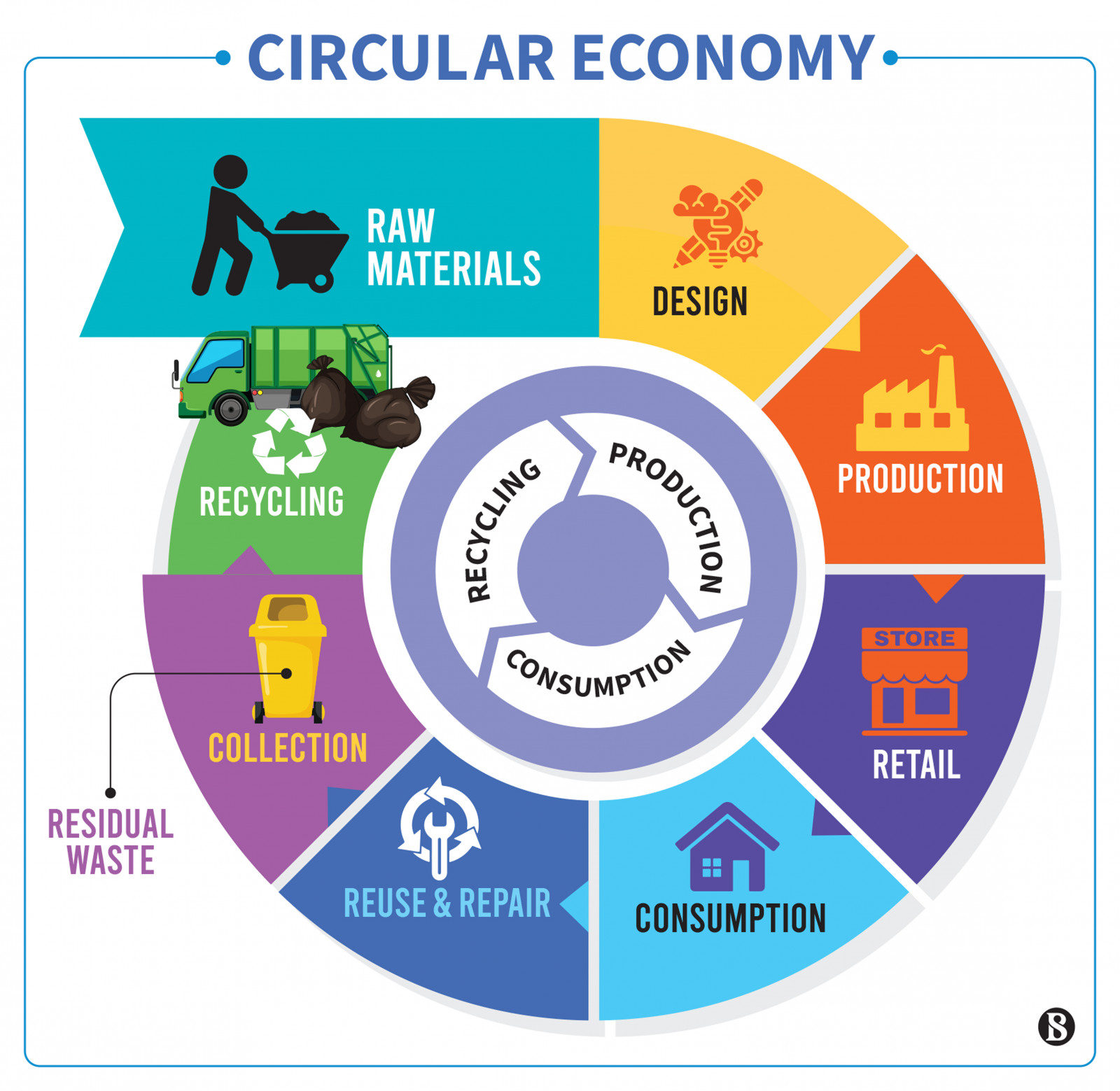
Circularity is built on loops that keep products and materials in use:
Short loops – maintenance and direct reuse
Medium loops – upgrades and refurbishment
Long loops – recycling and composting when products lose original function
These loops minimise waste, optimise resources, and shift businesses toward regenerative growth.
Why Businesses Must Embrace Circularity
The circular economy isn’t just a sustainability agenda — it’s a commercial imperative. It gives businesses tools to tackle climate change, biodiversity loss, and cost pressures, while unlocking resilience and growth. Yet, sustainability often sits apart from commercial decision-making.